When it comes to your child’s teeth, keeping informed is important. Orthodontic problems in younger children don’t always need early treatment, but they do benefit from being noticed early. That’s why we like to see children from around when their first adult teeth are starting to come through.
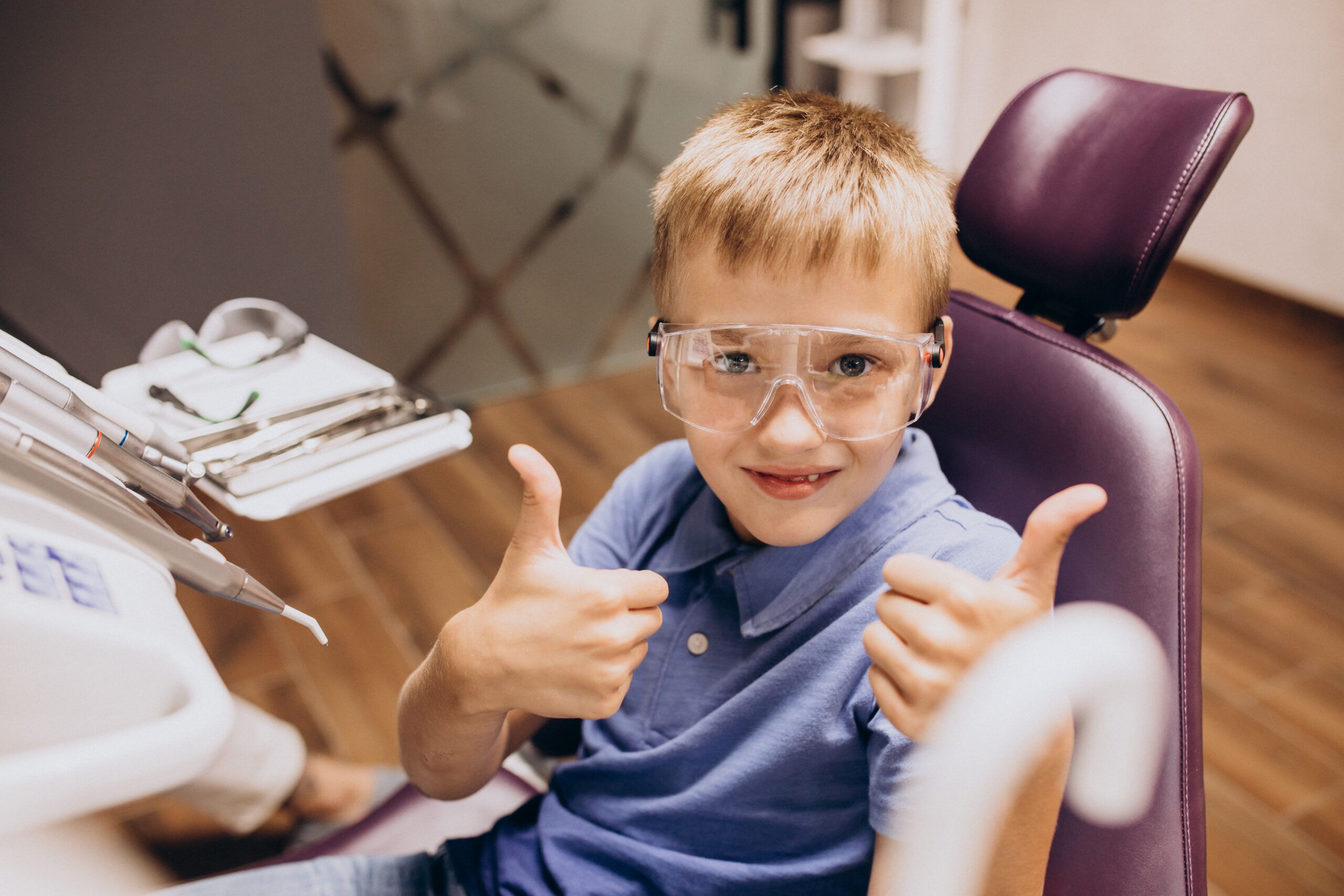
Our goal is to assess, reassure, and plan. Early checks allow us to work out who needs to be seen now for treatment, and who we need to review over time. By getting in early, we can sometimes prevent small issues from becoming bigger later on.
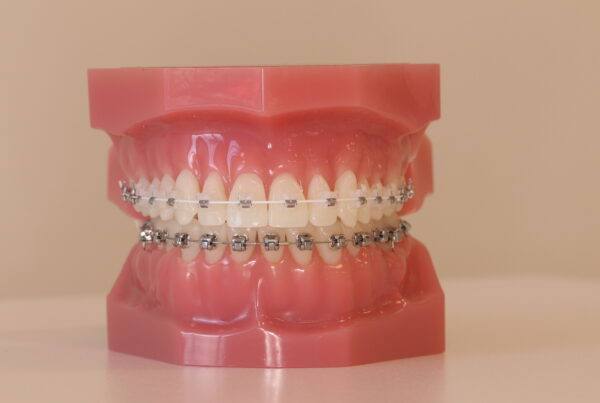
Early orthodontic treatment is defined as an intervention carried out in growing children that aims to eliminate or reduce the severity of a developing bite problem. This may look like partial braces, a retainer or a plate. Early orthodontic treatment does not replace comprehensive orthodontic treatment’ which usually can only be undertaken once all the adult teeth have come through.
Do all alignment and bite problems need early correction?
No, and often early treatment is not recommended. At Totara Orthodontists, our goal is to make every child’s orthodontic journey as straightforward, enjoyable, efficient and affordable as possible. Although it is possible to provide early treatment for just about every developing problem, we will only recommend early treatment if it is likely to either avoid comprehensive orthodontic treatment in the future or significantly reduce the complexity of future treatment.
When assessing a young child, it’s important to take a holistic approach, taking into consideration the teeth, jaws and facial proportions before estimating how the individual child is likely to grow. This is where a specialist orthodontist’s years of studying craniofacial biology, growth and development becomes very important. We then estimate what issues may be simply outgrown without the need for treatment, which issues can be corrected once the adult teeth are through and which issues really need early treatment.
Problems we want to catch early
Some issues really benefit from early treatment. Two of the main ones are cross-bites and ectopic teeth.
Cross-bites
A cross-bite is usually when a top tooth bites inside a bottom tooth instead of outside it. This can happen with both front and back teeth. With front teeth, this is sometimes referred to as an underbite.
Why does this matter?
- It can cause some teeth to be pushed out of place, creating gum strain and recession
- It can cause uneven tooth wear
- In some cases, it can affect jaw growth
Cross-bites are something we like to treat fairly swiftly. Early correction can be simpler, more comfortable and can help the jaws grow more evenly.
Ectopic teeth
“Ectopic” simply means a tooth has gone off course.
Common examples include:
- An adult canine developing too far toward the inside of the mouth, sometimes behind the incisor teeth
- An adult molar coming through too far forward and becoming lodged beneath a baby tooth
- An adult incisor that fails to grow into place, sometimes because of trauma or an injury to the baby tooth.
These situations often need careful assessment and sometimes specialised X-rays to decide on the best plan. Again, the earlier we see them, the more options we usually have.
Space maintainers: holding the space open
If a child loses a baby tooth earlier than expected, we may recommend a space maintainer. This is a small appliance that holds the gap open so the adult tooth has room to come through in the right place. Without it, nearby teeth can drift into the space, leading to crowding and more complex treatment later.
Virtual triage: getting advice from home
To make things easier for families, we virtually triage many patients. Through our website, you can use our “Engage” feature to send photos of your child’s teeth. From there, we can work out who needs to be seen quickly and who can simply be monitored over time.
Early orthodontic assessment is about more than straight teeth—it’s about giving parents clarity and confidence and giving children the best possible start for a healthy, well-aligned smile.
A shout-out to school dental therapists
For many children, the first person to spot a possible orthodontic issue is the school dental therapist. They’re a fantastic group of professionals who look after the overall dental health of children under 12 years of age. Their ability to recognise early problems plays a big role in getting children to us at the right time.
Any questions?
We hope this post was useful. If you have any questions, please get in touch. And, don’t forget to share.